Seeing a cockroach in the kitchen at night is unsettling, and it is also useful information: roaches hide by day, so one in the open usually means many more behind the stove, under the sink or inside the wall. The common indoor species breed quickly and spread through apartment buildings and attached homes along plumbing and electrical lines.
This guide covers the signs, the conditions that let roaches settle in, why over-the-counter foggers and sprays tend to scatter rather than solve the problem, and what a pest professional does. It does not ask you to apply any product.
What you notice
- Live roaches seen at night when a light comes on, usually in the kitchen or bathroom.
- Small dark specks that look like pepper or coffee grounds in cabinet corners, drawer tracks or along the back of the counter.
- Brown, oval egg cases stuck behind appliances, in cabinet hinges or under shelves.
- A musty, oily smell in a cabinet or pantry that does not clear with cleaning.
- Shed skins or dead roaches in drawers, under the sink or near the water heater.
- Roaches seen during the day, which usually means the hiding places are crowded.
Likely causes
German cockroaches brought in on items
The most common indoor roach. They arrive in grocery bags, cardboard boxes, used appliances and furniture, then settle in warm, moist places near food: behind the refrigerator, under the sink, inside the dishwasher base.
Shared walls and plumbing
In apartments, condos and townhomes, roaches travel between units along pipes and wiring. Treating one unit without the neighbors often fails.
Food and grease residue
Crumbs under the toaster, grease on the stove side panels, pet food, a trash can without a lid. Roaches need very little and feed at night.
Moisture
A dripping trap under the sink, condensation on pipes, a leaking dishwasher hose. Water matters more to roaches than food.
Clutter and cardboard
Stacks of boxes, paper bags and piled goods give roaches dark, undisturbed shelter and places to glue egg cases.
Outdoor species wandering in
Larger American or Oriental roaches live in drains, sewers, mulch and crawl spaces and come in through floor drains, gaps under doors and vents. They are a different problem from a German roach infestation and are treated differently.
Safe things to check before anyone comes out
- Turn the kitchen light on suddenly at night and watch where roaches run. The direction tells the technician where they are hiding.
- Look in cabinet corners, drawer tracks, behind the microwave and along the back edge of counters for pepper-like specks, egg cases or shed skins.
- Note whether the roaches are small and light brown with stripes (German) or large and dark (outdoor species). A close photo helps.
- Look under the sink for damp wood or a drip and note any appliance that leaks.
- Check where items came from recently: a used appliance, boxes from storage, groceries from a new store.
- In an attached home, ask neighbors or the building manager whether other units have had roaches.
When to stop and call
- Someone in the home has asthma or allergies that have flared. Cockroach droppings and shed skins are a known trigger, especially for children.
- Roaches are seen in daylight or in several rooms. The population is large and growing.
- Roaches are in a nursery, in bedding, or in food storage that cannot be sealed.
- A fogger or heavy spray was used and roaches spread to new rooms. Tell the technician what was applied; it affects where baits can go.
- You rent or live in an attached building and suspect the source is next door. Treatment needs to be coordinated through the landlord or association.
What the technician does
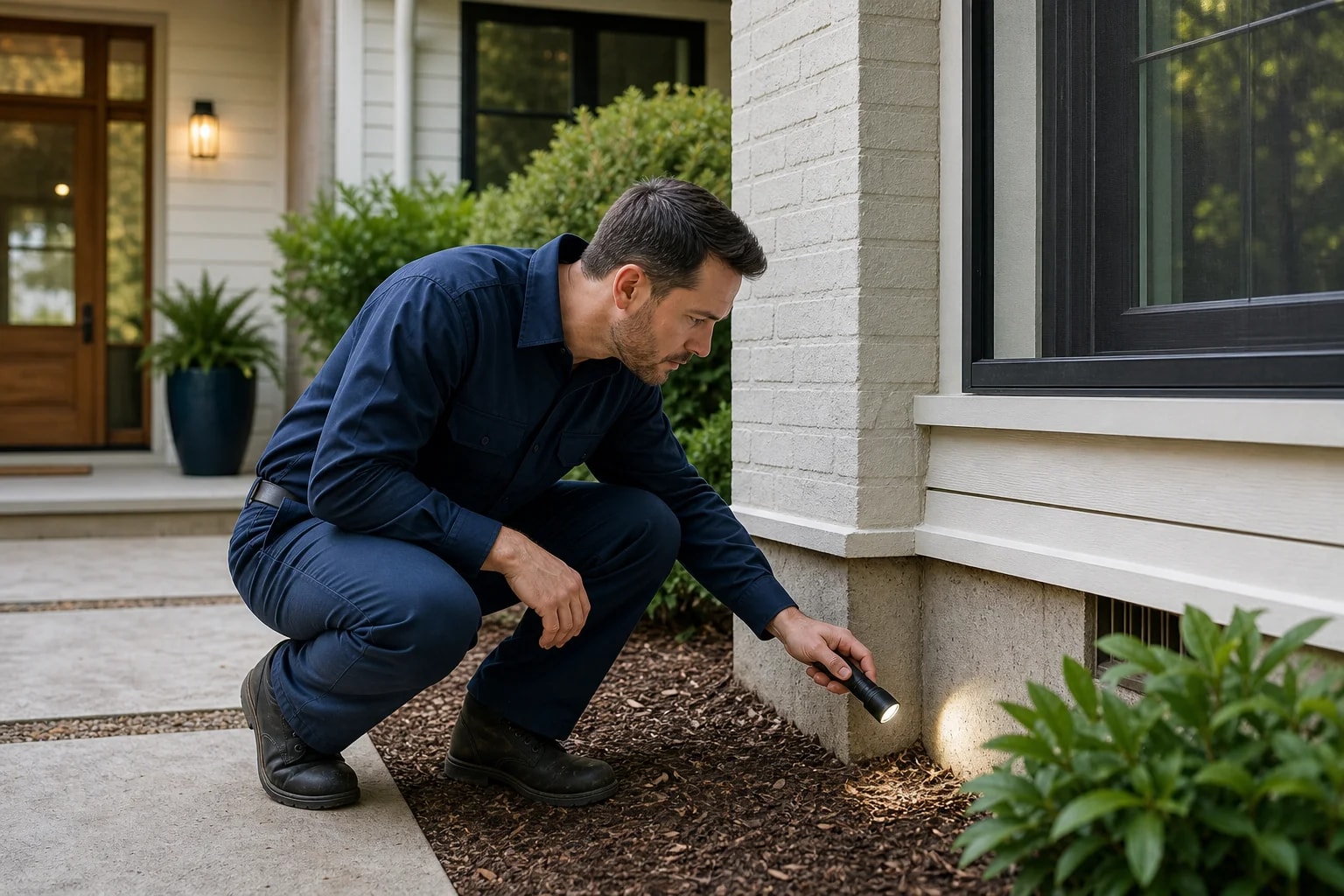
- Inspects the kitchen, bathrooms and utility areas with a flashlight, sometimes with sticky monitors, to find the harborage areas and judge the size of the problem.
- Identifies the species, which decides whether the treatment is indoors, outdoors, or both.
- Places gel baits in small dots in the cracks and corners roaches use, where they feed and carry the product back to others. Baiting is the core of modern roach control.
- Applies insect growth regulators or dust in wall voids and behind appliances where appropriate, and explains what was used.
- Cleans or recommends cleaning of grease and residue that compete with the bait.
- Schedules follow-up visits, since egg cases hatch after the first treatment, and advises on sealing and sanitation.
What it usually costs
An initial roach treatment for a house or apartment is usually in the low hundreds of dollars, with follow-up visits included in the price or billed separately. A heavy German roach infestation or a whole building takes more visits and costs more. The scope, the products and the number of follow-ups should be explained before you approve treatment.
What moves the estimate
- The species and how large the infestation is.
- Number of rooms and units affected.
- How many follow-up visits are needed to catch newly hatched roaches.
- Clutter and sanitation that slow the treatment down.
- One-time treatment versus a recurring plan.
Keeping it from coming back
- Keep food sealed, clean up crumbs and grease nightly, and empty the trash into a lidded can.
- Fix drips under sinks and dry the area; roaches cannot live long without water.
- Unpack groceries and deliveries and recycle cardboard promptly rather than storing it.
- Check used appliances and furniture for egg cases before bringing them inside.
- Seal gaps around pipes under sinks and behind appliances, or ask the technician which ones matter.
- Do not use foggers or broad sprays. They scatter roaches deeper into walls and make professional baiting less effective.
Questions people ask
Does one roach mean an infestation?
A large outdoor roach that wandered in through a drain may be alone. A small German roach almost never is; they live in groups near food and water. A sticky monitor or an inspection settles it.
Why did the spray make it worse?
Repellent sprays and foggers push roaches out of their hiding places into new rooms and wall voids without reaching the egg cases. Professionals use non-repellent baits so the roaches keep feeding and carry the product back.
How many visits does it take?
Usually two or three for an established German roach problem, spaced a few weeks apart so newly hatched roaches meet the bait. A light problem can be one visit plus a check.
Do I need to empty the cabinets?
Often yes for the kitchen, so the technician can reach corners and hinges. The company should tell you what to clear before the visit and how long to keep pets and children out of treated rooms.
Sources
- UC IPM Pest Notes: Cockroaches ipm.ucanr.edu
- U.S. EPA: Got pests? Control them safely www.epa.gov
- National Pest Management Association (PestWorld): Cockroaches www.pestworld.org